

The Binance hack USDC forfeiture case began on 23 November 2026, when the US Justice Department went to court in Washington to take over $1.1bn of USDC stolen on 29 October. No one has the money back yet: the tokens sit frozen by their issuer, Circle, and a judge still has to rule.
For a bank that holds stablecoins for clients, the case shows who else can stop those coins. Your own signers can, the issuer can, and a court can. A bank controls only the first of the three, and the Binance hack shows what happens when that control fails.
Key moments
In short
- The DOJ filed a civil claim to forfeit "over $1.1 billion" of USDC from the Binance hack on 23 November. The $1.17bn figure comes from the one outlet we found using it; the DOJ release does not give it.
- Circle froze about $1.1bn of USDC linked to the theft and says it acts on valid legal process. The Defiant reports that prosecutors say Circle has agreed to issue the same amount to the US government after a forfeiture order.
- The US says it has helped freeze, seize or return "over $2.9 billion" since the theft of more than $6bn. Frozen is not returned.
- For banks: a stablecoin issuer can freeze an address that receives stolen coins. Your defence is your own signing rules and screening before the coins arrive.
What did the DOJ file in the Binance USDC forfeiture case?#
The DOJ asked a federal court to transfer ownership of the frozen USDC to the United States. Nothing has been transferred yet. The Justice Department's release of 23 November (published 13:17 Eastern, 18:17 UTC) says the United States "filed a civil claim to forfeit over $1.1 billion of USDC, a stablecoin issued by Circle Internet Financial, LLC, that is proceeds and laundered funds" from the Binance theft, which it attributes to North Korean actors.
The tokens were not newly found. The DOJ says these assets "had previously been subject to a government-requested restraining order". The order was among those described in its 12 November announcement of court authority to "seize or restrain" more than $1.2bn. The new filing asks the court to forfeit them, which moves title to the United States.
The DOJ adds that since 29 October the United States "has assisted in the freezing, seizing, and/or the return of over $2.9 billion" of crypto. It thanks Circle for "valuable assistance". Todd Bratz of the Secret Service says investigators froze funds "within minutes of the hack." The release names no other issuer and gives no case number. We could not find the complaint itself on the evening of 23 November.
Data as of 23 November 2026, 21:00 UTC; figures change as the case moves.
| Date and time (UTC) | Event | Source |
|---|---|---|
| 29 Oct, about 20:05 to 20:20 | Binance hot wallets drained, more than $6bn | TRM Labs, Chainalysis |
| By 30 Oct | Circle has frozen more than 800 million USDC | CoinMarketCap |
| 5 Nov | Circle: about $1.1bn of USDC frozen | Circle blog |
| 12 Nov, 21:20 | DOJ: more than $2.7bn frozen, court authority to seize or restrain more than $1.2bn | DOJ release |
| 18 Nov, 19:40 | Abu Dhabi court freezing order covering $6.5bn reported | The Block |
| 23 Nov, 18:17 | DOJ files civil forfeiture for over $1.1bn of USDC | DOJ release 26-1400 |
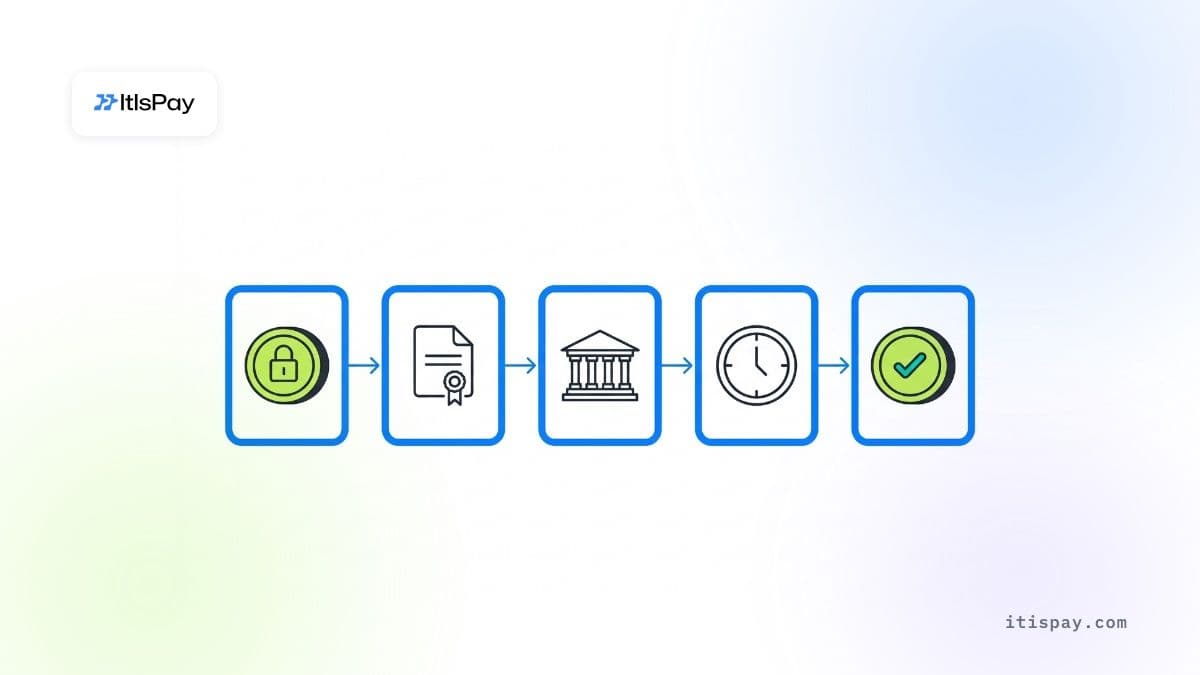
How did $1.1bn of stolen USDC get frozen?#
USDC has an issuer that can block an address on the blockchain itself. Bitcoin and ether have no such issuer. Circle's chief strategy officer, Dante Disparte, wrote on 5 November that "Circle froze approximately $1.1 billion in USDC associated with the incident in coordination with law enforcement." CoinMarketCap had reported more than 800 million USDC frozen by 30 October, so the total grew as more addresses were found.
Circle describes the trigger as legal process: "When law enforcement obtains a valid court order to freeze a USDC wallet address, Circle freezes that address, preventing USDC from moving in or out of that address." It also draws a line around its role. In its words, "Circle does not decide who owns the assets, whether USDC should be frozen or subject to forfeiture proceedings, or whether a crime occurred; those determinations belong to law enforcement and the courts" (Circle blog, 5 November 2026).
The policy has an exception. American Banker reported on 30 October that Circle added one in May 2026, after the Drift heist. The exception lets Circle freeze funds on urgent law enforcement requests before a court order. That may explain how a freeze can come within hours, while court papers take weeks.
The rest of the theft is harder to stop. Large parts of it are in bitcoin, ether and XRP. No issuer can freeze those assets, as we explained in our piece on North Korea's crypto hacks.
What happens next in the Binance hack forfeiture case?#
Civil forfeiture is a case against the property, not against a person. The government must show the USDC is proceeds of a crime. Anyone who says it is theirs can file a claim. A judge then decides who gets title. For this part of the Binance hack recovery, expect weeks, not days.
Notice and claims#
Supplemental Rule G of the US Federal Rules of Civil Procedure sets the clock. A person who gets direct notice has a claim deadline "at least 35 days after the notice is sent". After filing a claim, they have 21 days to file an answer or a motion. If the government only publishes notice on its official forfeiture website, claims are due "no later than 60 days after the first day of publication". The hackers are unlikely to file a claim, but the deadlines still run.
Judgment and the reissue#
If the court orders forfeiture, the tokens stay frozen at the addresses where they sit. According to The Defiant, prosecutors say Circle has agreed to issue the same amount of USDC to the US government once a court orders forfeiture. The DOJ release itself does not say how the transfer will work.
Who counts as the victim#
The DOJ says victims "remain at the forefront". A Binance spokesperson told Fox Business: "Users will not bear the financial impact of this incident. Binance will cover all losses." If clients were made whole, Binance itself bore the loss. In our reading, that makes Binance the natural party to seek the money back. The release does not say so. Binance has also obtained a worldwide freezing order from the Abu Dhabi courts, which The Block reports covers $6.5bn, so two legal tracks now run side by side.
Binance hack USDC forfeiture: where reporting goes wrong#
- "$1.17 billion" appears in a Crypto Briefing headline. The DOJ release says "over $1.1 billion". Until the complaint is public, the exact figure is unknown.
- Crypto Briefing calls the filing "the first time the government has formally moved to take control" of the assets. The DOJ had already announced court authority to "seize or restrain" more than $1.2bn on 12 November. The forfeiture claim is the next step, not the first.
- The same piece says Circle froze "between $823 million and $1.1 billion, according to the research findings", and calls the gap a puzzle. Circle itself said about $1.1bn on 5 November. The lower figure is an early count from the night of the hack.
- Read the $2.9bn with care. The DOJ wording is "freezing, seizing, and/or the return", so it is not a recovered sum. Most of that money is frozen, not back with anyone.
- "Seized" headlines overstate the step. A restraint keeps tokens in place; forfeiture moves title, and no court has ruled yet.
Who can stop a bank's client stablecoins?#
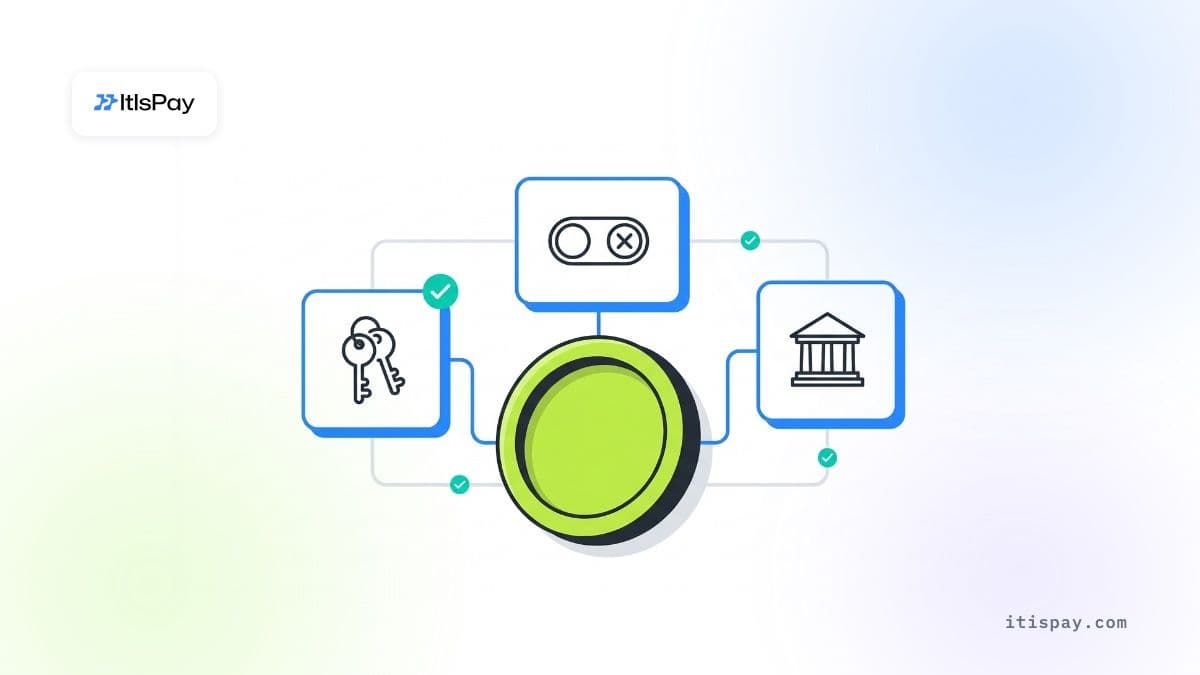
Three parties can stop a stablecoin a bank holds for a client: the bank's own signers, the token issuer and a court. The issuer and the court act after the fact and on their own terms. Only the signing rules are in the bank's hands before anything goes wrong. The documents of three companies show how this works.
Circle: the issuer's blocklist#
Circle's USDC Terms, section 13, say Circle "reserves the right to block the transfer of USDC to and from an address on chain". They also cover the receiving side: "In the event that you send USDC to a Blocked Address, or receive USDC from a Blocked Address, Circle may freeze such USDC". A bank that takes in tainted USDC can therefore see that USDC frozen and its Circle account ended. The terms say they "only apply to holders of USDC located outside of the European Economic Area". Banks in the EU should read the terms that cover them.
Societe Generale-FORGE: a bank's stablecoin with the same switch#
Bank-issued stablecoins carry the same power. The MiCA white paper for EURCV, the euro stablecoin of Societe Generale's crypto arm, says holders "agree that the Issuer has the authority to blacklist certain addresses". If a holder "sends or receives EURCV from a blacklisted address, the Issuer has the right to freeze the corresponding EURCV." The issuer "may be required to freeze EURCV and/or surrender any related Euro" on "a legal order from a valid government authority." The freeze switch is part of a regulated stablecoin, not a quirk of one firm.
Binance: its own signing system was abused#
Binance ran its own wallets. Its first findings, posted on X, said the incident "may involve a compromised DevOps engineer's laptop", which "allowed an attacker to gain access to a service container and submit unauthorized withdrawal transactions". Binance said it found "no evidence of any wallet private key leak." TRM Labs, a blockchain analytics firm, judged it most likely that the attacker found a way to make Binance's hot wallet signing system sign transactions. If so, the keys stayed in place and the approvals failed.
For EU custodians the cost of such a failure is set in law. MiCA Article 75(8) makes a crypto-asset service provider "liable to their clients for the loss of any crypto-assets or of the means of access to the crypto-assets as a result of an incident that is attributable to them", capped "at the market value of the crypto-asset that was lost, at the time the loss occurred." Banks that offer custody through the MiCA Article 60 route, described in our guide to crypto custody for banks, carry the same duty.
Own custody with signing rules vs other options#
The table compares four ways a bank can hold client stablecoins. One test matters: could someone with stolen staff credentials drain the wallet before an issuer or a court has to step in?
| Arrangement | Who signs | Stops a drain before issuer or court acts? | Verdict |
|---|---|---|---|
| Client balances held at an exchange | The exchange | Not in your control | No |
| Licensed third-party custodian | The custodian, under its policy | Only if its policy has limits and an independent approver; check in due diligence | Depends |
| Own custody, no hard rules | Your wallet service | No: whoever controls the service can empty it | No |
| Own custody with signing rules | Your service plus an independent approver | Yes: hourly caps, second signer outside the service, allowlist, most assets cold | Works |
The last row has five parts. The hot wallet holds only one day of withdrawals. An hourly cap stops a 20-minute drain at the cap. The second approval comes from a person or device the wallet engineers do not control. New addresses wait before first use. And compliance can freeze one client without stopping the bank.
Where signing rules do not help
- Receiving tainted coins: if a client deposit comes from a blocked address, the issuer can freeze those coins whatever your signing rules say.
- Court orders bind you once served. You need a fast way to freeze one client's balance and report.
- Bitcoin or ether that has already left: no rule recalls it, and no issuer can freeze it.
- Collusion between the holders of both approvals, or a change to the signing policy by someone who controls it.
What should a bank check this week?#
The Binance USDC forfeiture case is a prompt to test both sides of custody: what leaves your wallets, and what arrives in them.
- Screen deposits received since 29 October against the addresses linked to the Binance theft in your blockchain analytics tool. A match means a frozen balance and a report, not a quiet refund.
- Read the freeze terms of every stablecoin you hold, per issuer and per region. Note who can block your addresses and on what grounds.
- Test a freeze on one client. Time how long compliance needs to stop one balance after a court order arrives, without halting all withdrawals.
- Find the second signer. Check that the final approval sits outside the service that builds transactions and outside the wallet team's reach.
- Set and test hourly caps. Know the most that can leave the hot wallet in one hour, and who can lift the cap.
- Name the person who answers legal process. A freeze request may come before a court order, as Circle's May exception shows.
Banks and PSPs use ItisPay to add crypto acceptance for their merchants as a new payment channel. The platform installs inside the bank's own infrastructure, so data and logs stay in its perimeter, staff access follows the four-eyes rule, and the bank receives the source code. Keys to customer funds sit with our EU-licensed CASP + Payment Institution partner, which also handles licensing, KYC and settlement in EUR.
This article is for informational purposes only and does not constitute legal or regulatory advice.